The triple driving forces of policy, technology, and capital are superimposed, and the cell industry
In the first month of 2026, China's cell and gene therapy field got off to a remarkable start. The revised "Regulations for the Implementation of the Drug Administration Law of the People's Republic of China" was released, providing high-level legal protection for drug innovation; and the State Council's Decree No. 818, "Regulations on the Administration of Clinical Research and Clinical Translational Application of New Biomedical Technologies," officially entered the "100-day countdown" before its implementation.
▲Image source: AI generated
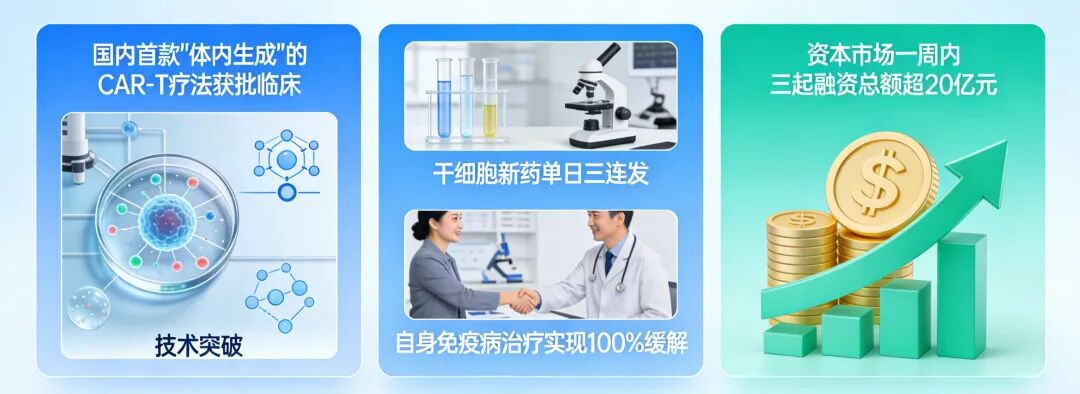
The synergy between technology and capital is becoming increasingly strong: China's first "in vivo generated" CAR-T therapy has been approved for clinical trials; three new stem cell drugs were launched in a single day; 100% remission has been achieved in the treatment of autoimmune diseases; and three financing rounds totaling over 2 billion yuan have been completed in the capital market within a week. This series of events paints a vivid picture of a rapidly maturing industrial ecosystem driven by policy, technology, and capital.
A comprehensive and well-developed legal system has been established, providing a clear path for innovation.
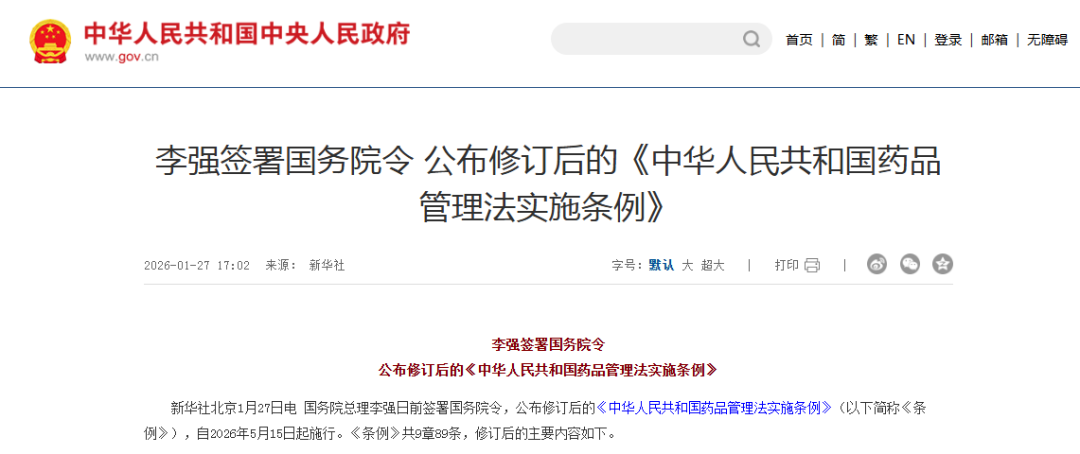
In January 2026, the industry's top-level design was solidified with unprecedented density and intensity. The most attention-grabbing event was undoubtedly the official promulgation of the newly revised "Regulations for the Implementation of the Drug Administration Law of the People's Republic of China," which will come into effect on May 15, 2026. This first comprehensive revision in 23 years explicitly proposes "supporting clinically value-oriented drug research and innovation," injecting the strongest policy confidence into the development of all new drugs, including cell therapy.
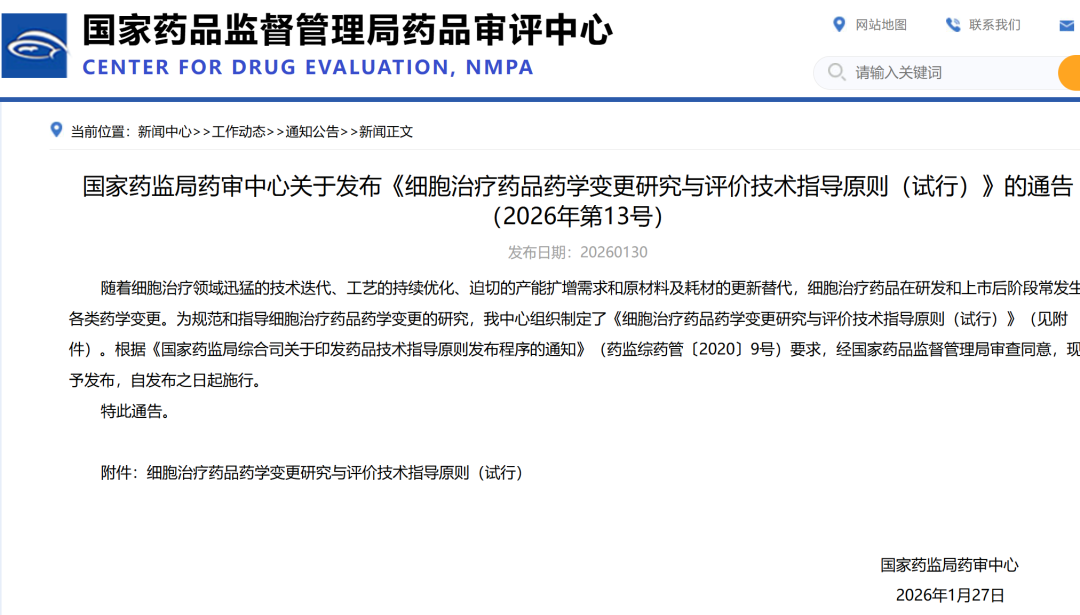
Following closely, the Center for Drug Evaluation of the National Medical Products Administration officially released the "Technical Guidelines for Pharmaceutical Change Research and Evaluation of Cell Therapy Drugs (Trial)" on January 30. This highly targeted document provides, for the first time, a systematic and scientifically standardized technical guideline for "changes" in the entire lifecycle of cell therapy products, including process optimization and capacity expansion. This means that companies now have a clear compliance path in their pursuit of technological advancement and cost control, avoiding R&D risks arising from unclear "changes."
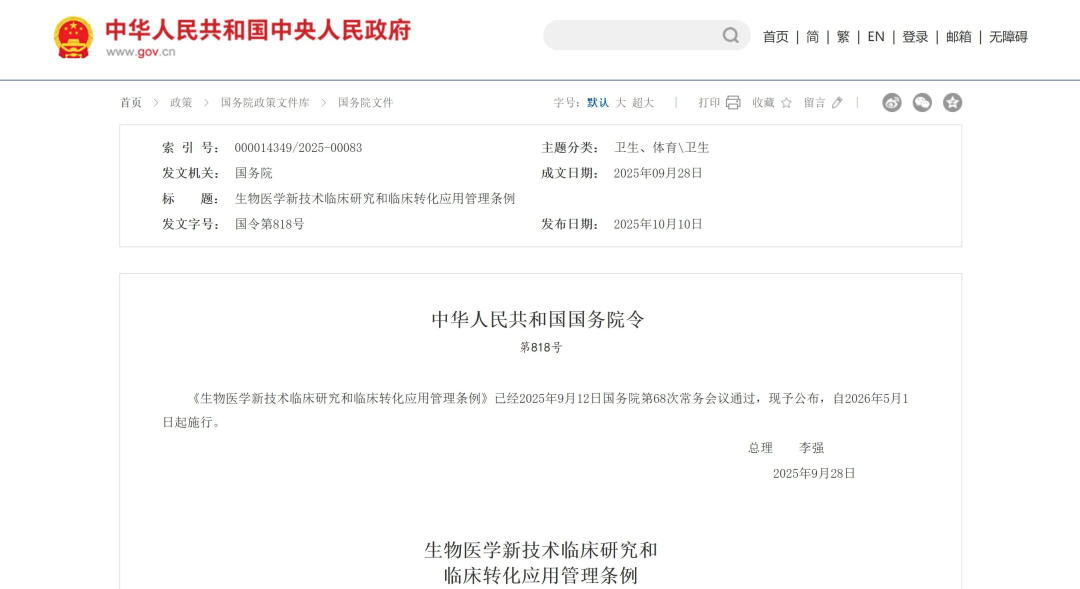
Another core regulation—State Council Decree No. 818—is also entering its 100-day countdown to its implementation on May 1, 2026. The new pathway for clinical research and translational application it establishes, together with the aforementioned regulations, constitutes a complete regulatory loop "from technology exploration to product launch."
The policy "window effect" has quickly become apparent, prompting companies to accelerate compliance preparations and leading to a surge in clinical research filing applications. Meanwhile, the "new cell infrastructure" initiative, exemplified by the unveiling of the Cell and Gene Therapy Research Center at Mengchao Hepatobiliary Hospital of Fujian Medical University, is making substantial progress in many parts of the country, signifying that the channels for industry-academia-research translation are being rapidly opened.
Simultaneous iteration of treatment methods and expansion of indications
With clear policy expectations, technological innovation achievements surged in January, with milestone breakthroughs achieved in multiple areas.
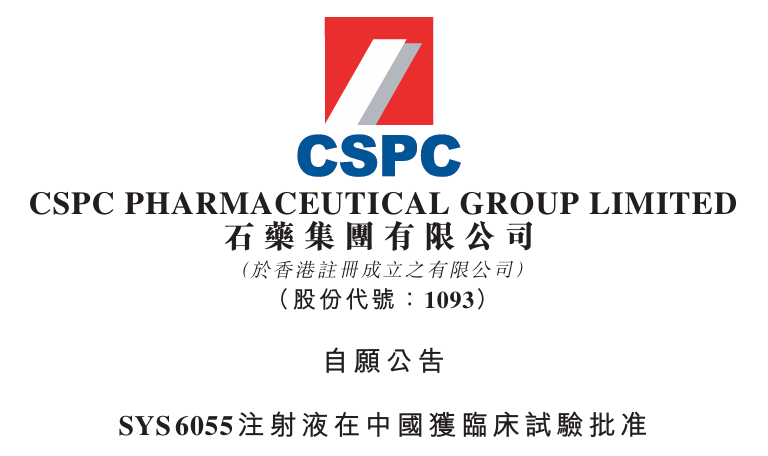
On January 29, CSPC Pharmaceutical Group's SYS6055 injection received clinical trial approval. As the first domestically approved "in vivo CAR-T" therapy to enter clinical trials, it uses a lentiviral vector to directly generate CAR-T cells within the patient's body, eliminating the complex, expensive, and time-consuming in vitro preparation process. This is not only the first of its kind in China, but also marks a revolutionary step towards the "universalization and accessibility" of CAR-T therapy.
Good news also came from the stem cell field. On January 4, Quansheng Biotechnology's first iPSC-derived cell product was approved for clinical trials. On January 5, three mesenchymal stem cell products targeting degenerative diseases such as sarcopenia and knee osteoarthritis were approved on the same day, showing that the application of cell therapy in the field of degenerative diseases is accelerating.
Solving core clinical challenges such as solid tumors
In January, breakthroughs in cutting-edge scientific research also yielded remarkable results.
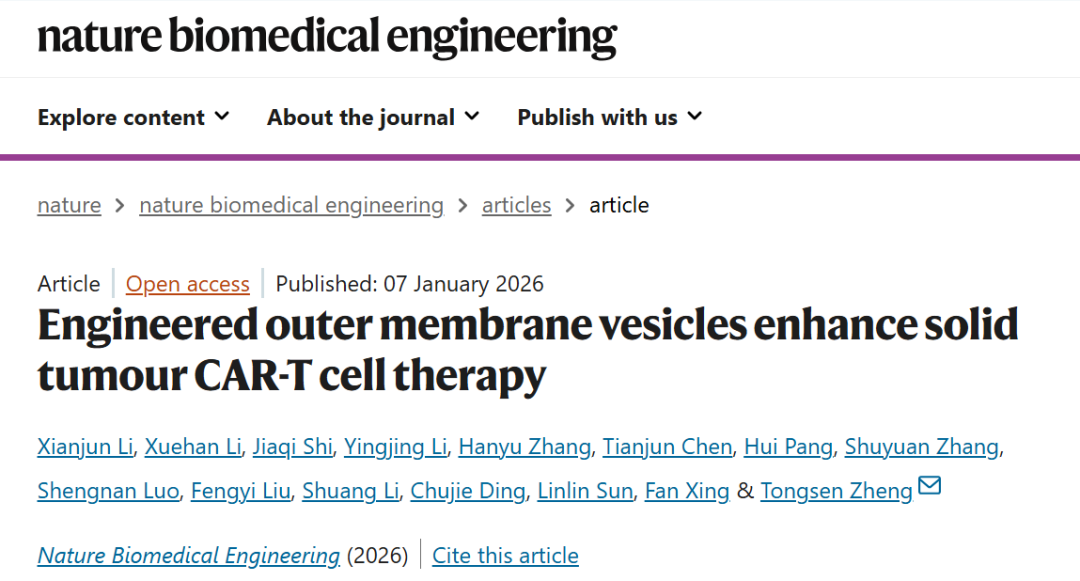
On January 7, a team from the Affiliated Cancer Hospital of Harbin Medical University published their findings in *Nature Biomedical Engineering*, developing a novel CAR-T empowerment platform called "BROAD-CAR". This platform can simultaneously address two core challenges in the treatment of solid tumors: "immunosuppressive microenvironment" and "antigen heterogeneity," providing a promising universal strategy for CAR-T therapy to conquer solid tumors.
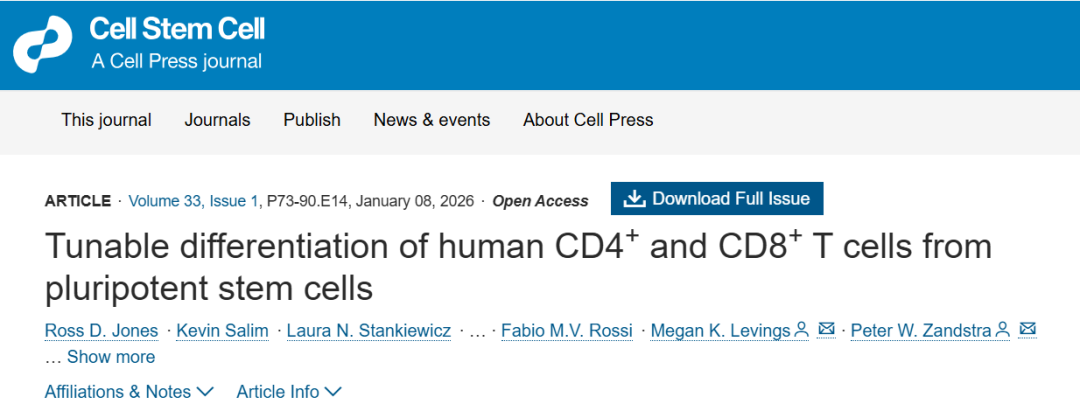
On the same day, the journal *Cell Stem Cell* published research from the University of British Columbia (UBC) in Canada, demonstrating for the first time the stable cultivation of helper T cells from stem cells. This breakthrough in basic research lays a crucial foundation for the future development of more powerful and lower-cost off-the-shelf CAR-T therapies.
On January 12, the research results of the Shandong University glioblastoma treatment platform were released, which can screen personalized treatment plans for patients and provide precise hope for the treatment of glioblastoma, the "king of intracranial malignant tumors".
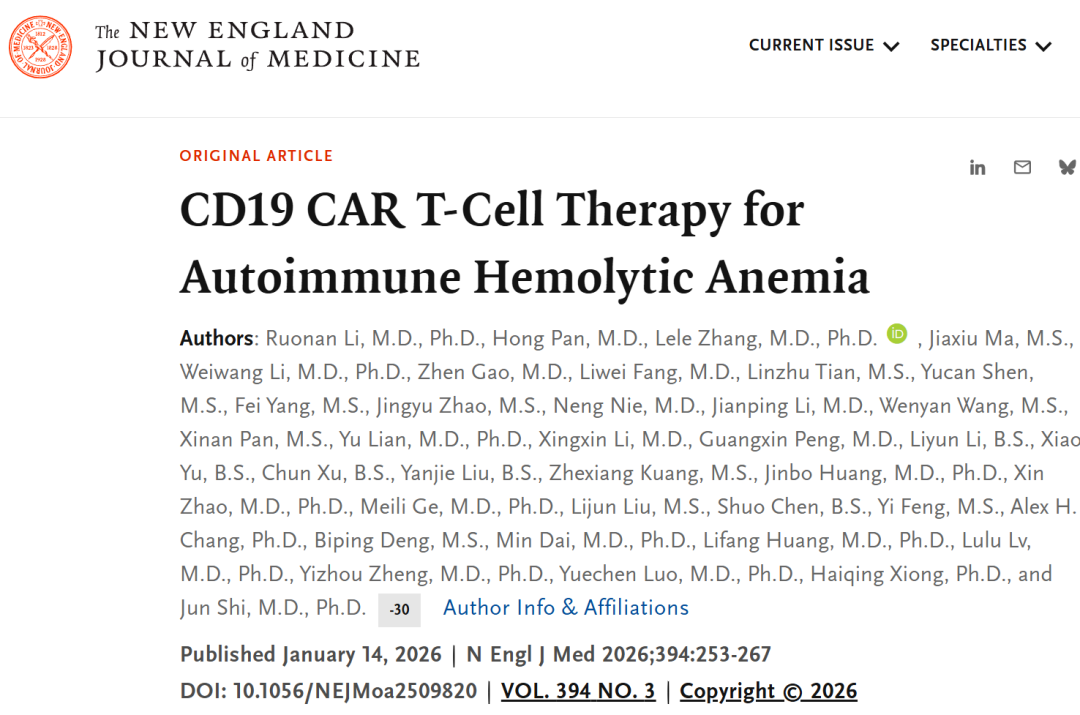
On January 14, Professor Shi Jun's team from the Institute of Hematology and Blood Diseases Hospital of the Chinese Academy of Medical Sciences published China's first NEJM paper in 2026, which for the first time confirmed the groundbreaking efficacy of CD19 CAR-T in the field of AIHA.
Heavy capital investment and accelerated business cooperation
Capital market confidence in the cell therapy field surged in January. From January 12 to 14, the capital market experienced a peak, with three companies receiving more than 2 billion yuan in funding. Solid tumors, universal therapies, and in vivo the three main directions that capital investors favored for breakthroughs.
In late January, Shize Bio completed a 400 million yuan financing round, signifying that universal cell therapy has gained favor from capital in the field of neurodegenerative diseases.
In addition to financing, industrial cooperation is also accelerating. Spiessmann Biotechnology and Fosun Kerry reached a commercialization cooperation agreement on allogeneic adipose-derived mesenchymal stem cell injection; Fujian Medical University Mengchao Hepatobiliary Hospital signed an agreement with Haixi Cell Company to jointly promote the clinical translation of technologies such as neoantigen vaccines.
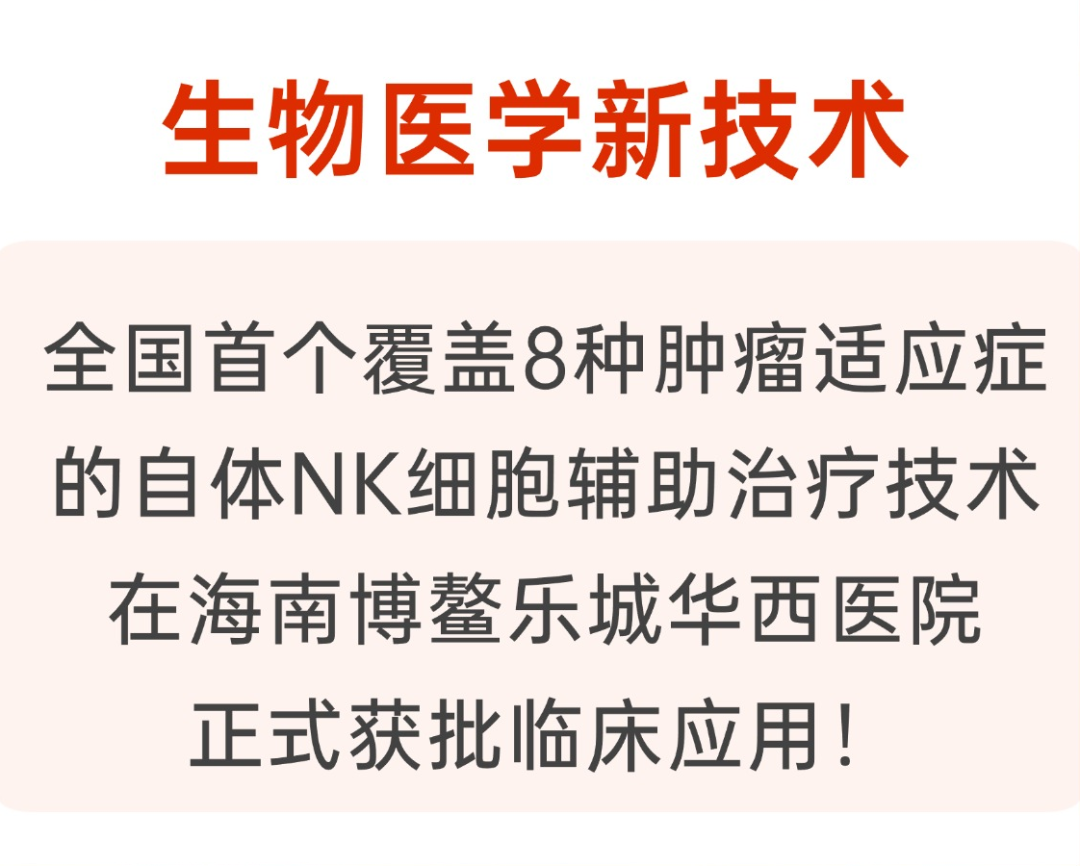
A virtuous cycle of "R&D-capital-industrialization" is rapidly taking shape. Particularly noteworthy is the approval, in the Boao Lecheng International Medical Tourism Pilot Zone in Hainan, for the nation's first autologous NK cell adjuvant therapy technology, targeting eight common solid tumors. Simultaneously, the "Umbilical Cord Mesenchymal Stem Cell Therapy for Type 2 Diabetes" project not only received approval but also announced a transparent treatment price (174,000 yuan), providing valuable pilot experience for the accessibility and payment models of cell therapy.
The improved policy framework has charted a clear course for innovation; breakthroughs in technologies such as in vivo CAR-T and universal cells are continuously lowering the application threshold and expanding the therapeutic boundaries; and the intensive injection of capital is providing sustained momentum for this long-distance race.
From national-level regulations and standards to original innovation in laboratories, and finally to the votes of the capital market, the start of 2026 clearly demonstrates that China's cell therapy industry has moved beyond its early stages of uncertainty and has entered a golden age of development driven by both standardization and industrialization. When the wisdom of scientists, the boldness of enterprises, and the foresight of policies resonate in unison, an industrial wave poised to profoundly reshape the landscape of disease treatment is surging forward.
Follow my WeChat Official Account